Few outdoor experiences combine raw physical thrill with the beauty of wild landscapes quite like whitewater rafting. For adventure seekers, the rush of navigating powerful rapids, the spray of cold river water, and the triumph of emerging safely at the bottom of a challenging run create memories that last a lifetime. Whitewater rafting adventures are accessible to a broader range of participants than many people realize, offering genuine excitement across all ability levels.
Understanding Rapid Classifications
Whitewater is classified on a scale from Class I to Class VI, with each level representing a progressively greater degree of technical difficulty and physical challenge. Class I and II water features gentle currents and small waves suitable for beginners and families with young children. Class III rapids introduce more powerful waves, hydraulics, and the need for active paddling. Class IV runs demand precise maneuvering and strong paddle teamwork. Class V rapids are reserved for experienced paddlers in top physical condition. Understanding this classification system helps participants choose trips that match their experience level and appetite for challenge.
Physical and Mental Health Benefits of Rafting
Beyond the obvious excitement, whitewater rafting delivers meaningful physical and mental health benefits. Paddling engages the upper body, core, and back muscles in a dynamic, functional workout that feels nothing like a gym session. The cardiovascular demands of navigating active water improve endurance without the monotony of traditional aerobic exercise. Mentally, the focus required to respond to rapidly changing river conditions pushes everyday stresses to the background, producing a state of present-moment engagement similar to meditation. Many regular rafters report returning from trips feeling reset, energized, and mentally refreshed.
The Role of Expert Guides in the Experience
A trained, experienced river guide transforms a whitewater rafting trip from merely exciting into genuinely extraordinary. Skilled guides read the river constantly, positioning the raft for the optimal line through each rapid and communicating clearly with the paddling crew to execute it. They carry comprehensive safety training including swift water rescue certification and first aid. Beyond technical skill, great guides bring enthusiasm, local knowledge, and storytelling that connect participants to the river’s natural and human history. Choosing a reputable outfitter with experienced guides is the most important decision any prospective rafter can make.
Safety Practices That Make Rafting Accessible
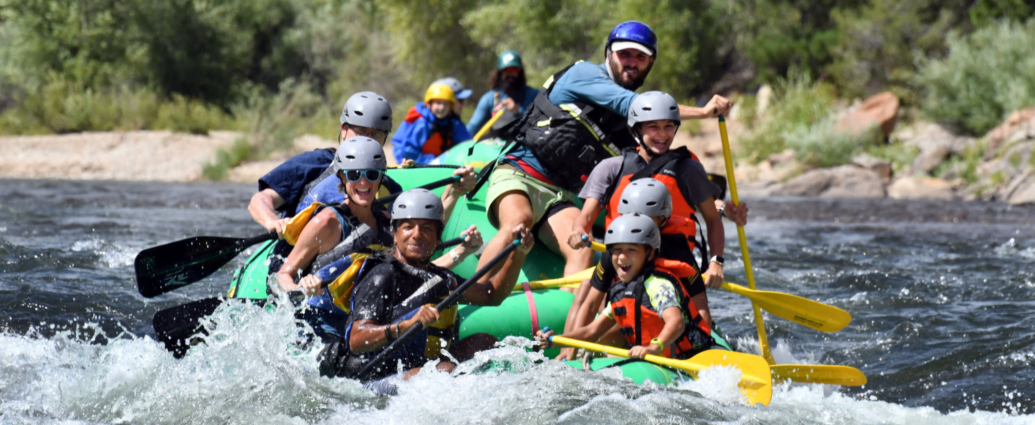
Whitewater rafting, like all adventure sports, carries inherent risk but reputable outfitters minimize that risk through rigorous safety protocols. All participants are equipped with properly fitting personal flotation devices and helmets before entering the water. Pre-trip safety briefings cover paddle commands, what to do if someone falls out of the raft, and how to float safely through rapids. Guides are positioned strategically throughout difficult sections to assist if needed. These practices make rafting significantly safer than its thrill-seeking reputation suggests and allow participants of moderate fitness to enjoy the sport with genuine confidence.
Conclusion
Whitewater rafting offers a unique combination of physical exhilaration, natural beauty, and shared human experience that is difficult to find in any other adventure activity. Whether a first-time paddler tackling mild rapids or an experienced enthusiast taking on challenging Class IV water, the river delivers something transformative to everyone willing to climb aboard. For outdoor adventurers looking for their next great experience, a guided whitewater rafting trip on a world-class river is an invitation well worth accepting.